Product Overview
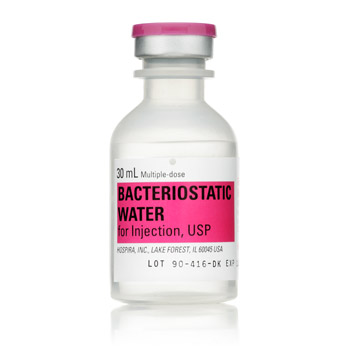
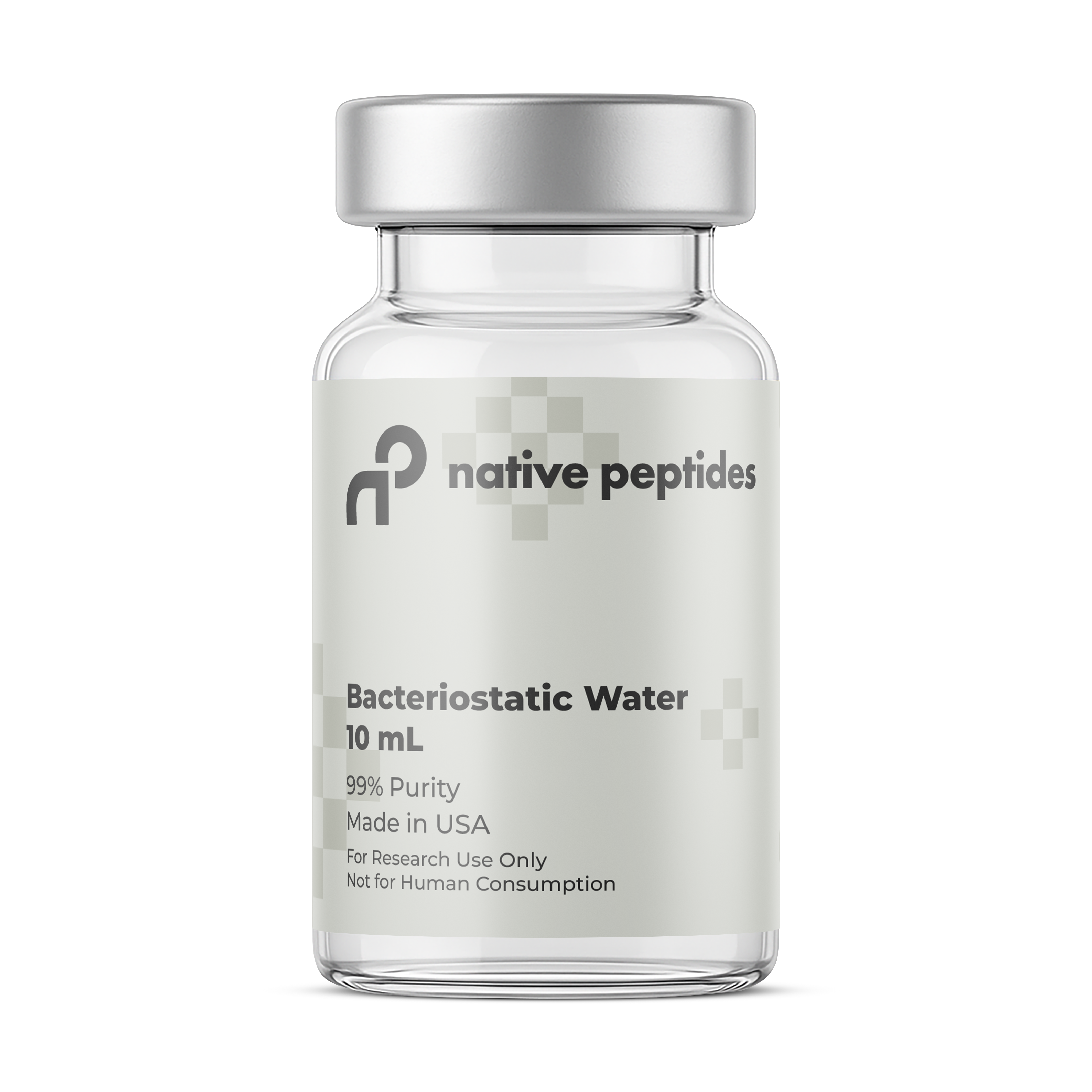
Bacteriostatic Water is a sterile aqueous solution formulated for laboratory and research applications that require dilution or reconstitution of compounds under controlled conditions. The solution contains a low concentration of benzyl alcohol, which functions as a bacteriostatic agent by inhibiting microbial growth after initial container entry. In experimental environments, bacteriostatic water is commonly used where repeated withdrawals from a single vial are required while maintaining solution integrity.
In research settings, bacteriostatic water is utilized as a solvent or diluent in preparation workflows, stability studies, and handling protocols involving injectable or solution-based compounds. The presence of a bacteriostatic preservative allows investigators to reduce contamination risk during short-term use in non-clinical laboratory contexts. All references to bacteriostatic water herein are limited strictly to laboratory and research applications and do not imply medical or clinical use.
Sterile Solution
Store at controlled room temperature (20–25°C). Protect from excessive heat and direct light. Do not freeze.
After First Use
Maintain sterility during handling. Discard if solution becomes cloudy or shows signs of contamination. Follow laboratory protocols for multi-dose vial use.
CAS Number
Not assigned (aqueous solution with preservative)
Molecular Weight
Not applicable (composite solution)
Formula
Not applicable (multi-component aqueous formulation)
Quality & Testing
Each batch is tested and documented to support research transparency and consistent research workflows. Certificates of Analysis (COAs) are provided by batch so researchers can reference the specific analytical results tied to the exact lot associated with their order. This supports clearer recordkeeping, improved comparability across experiments, and stronger traceability over time.
Quality documentation is designed to help researchers confirm key batch attributes before use, including identity verification and purity results using established analytical methods such as HPLC and mass spectrometry where applicable. COAs typically include the batch identifier, test methods performed, and reported results, allowing researchers to maintain complete lab records and improve reproducibility across protocols and study timelines.
Batch Transparency
Every unit is associated with a batch identifier to support traceability and reproducible research. Batch tracking helps researchers link their materials to the exact analytical documentation for that production lot, which is important when comparing results across different runs, timelines, or study conditions. This also makes it easier to maintain clean lab records and verify continuity when repeating protocols.
Certificates of Analysis (COAs) are organized by batch so you can reference the specific results tied to the batch you received. To use this system, locate the batch number on the vial label or packaging and match it to the corresponding COA for that SKU. Save the COA and batch number alongside your research notes so your documentation stays complete and auditable over time.