Product Overview
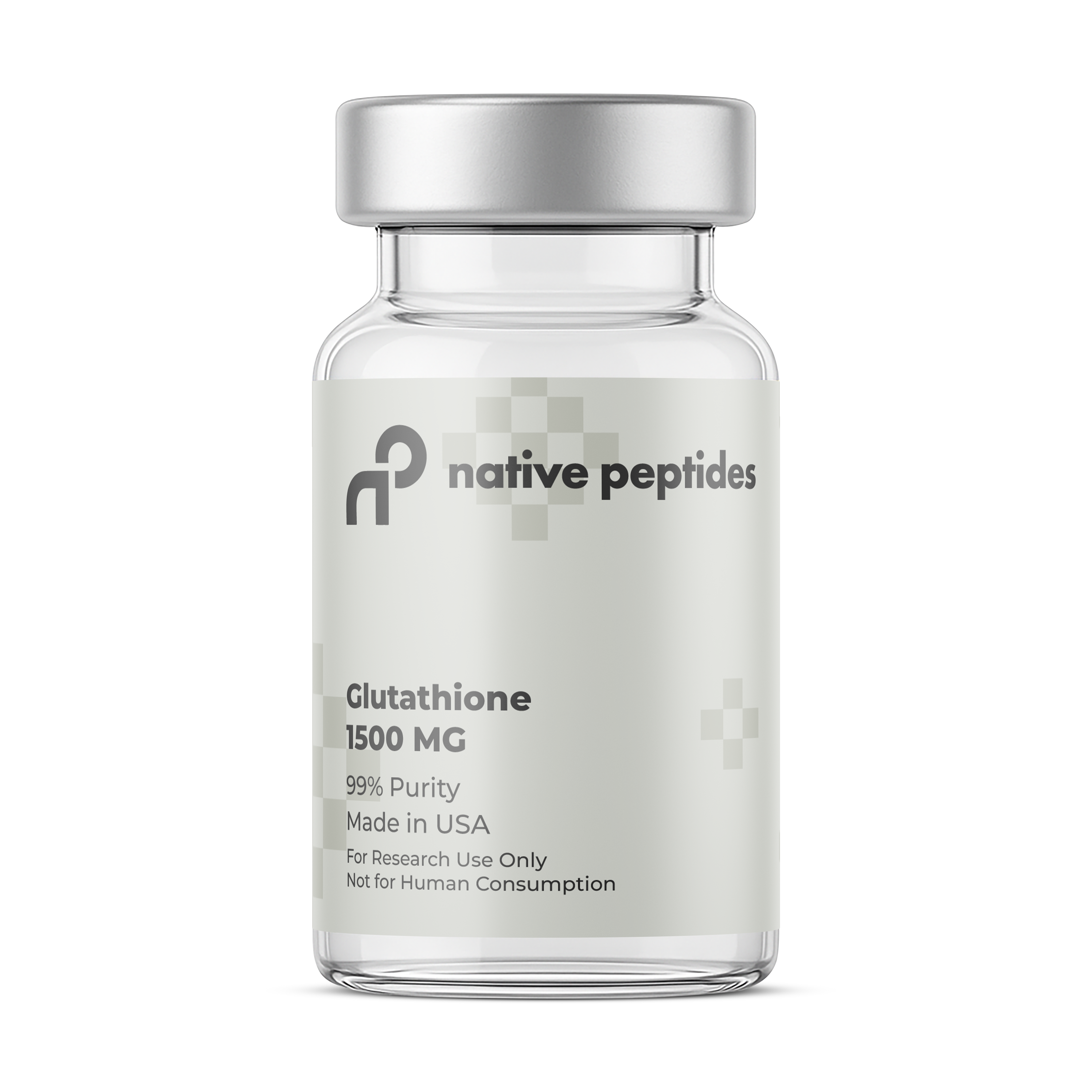
L-Glutathione is a tripeptide (γ-L-glutamyl-L-cysteinylglycine) that functions as a major intracellular antioxidant and redox regulator. It participates in detoxification, cellular protection, and metabolic homeostasis by modulating reactive oxygen species and maintaining thiol balance. L-Glutathione is widely used in biochemical and cellular research focusing on oxidative stress mechanisms, redox biochemistry, and glutathione-dependent enzymatic pathways.
L-Glutathione (γ-L-glutamyl-L-cysteinyl-glycine) is a low-molecular-weight tripeptide ubiquitously synthesized in eukaryotic cells and extensively studied in biochemical and molecular biology research as a central regulator of intracellular redox balance. In laboratory systems, glutathione functions as a primary thiol-based redox buffer and participates in enzymatic detoxification, protein folding quality control, and maintenance of cellular redox homeostasis.
Lyophilized Powder
Store at 2-8°C. Protect from light and moisture.
Reconstituted Solution
Store at 2-8°C for longer usage. Aliquot and freeze at -20°C.
CAS Number
70-18-8
Molecular Weight
307.32 g/mol
Formula
C₁₀H₁₇N₃O₆S
Quality & Testing
Each batch is tested and documented to support research transparency and consistent research workflows. Certificates of Analysis (COAs) are provided by batch so researchers can reference the specific analytical results tied to the exact lot associated with their order. This supports clearer recordkeeping, improved comparability across experiments, and stronger traceability over time.
Quality documentation is designed to help researchers confirm key batch attributes before use, including identity verification and purity results using established analytical methods such as HPLC and mass spectrometry where applicable. COAs typically include the batch identifier, test methods performed, and reported results, allowing researchers to maintain complete lab records and improve reproducibility across protocols and study timelines.
Batch Transparency
Every unit is associated with a batch identifier to support traceability and reproducible research. Batch tracking helps researchers link their materials to the exact analytical documentation for that production lot, which is important when comparing results across different runs, timelines, or study conditions. This also makes it easier to maintain clean lab records and verify continuity when repeating protocols.
Certificates of Analysis (COAs) are organized by batch so you can reference the specific results tied to the batch you received. To use this system, locate the batch number on the vial label or packaging and match it to the corresponding COA for that SKU. Save the COA and batch number alongside your research notes so your documentation stays complete and auditable over time.