Product Overview
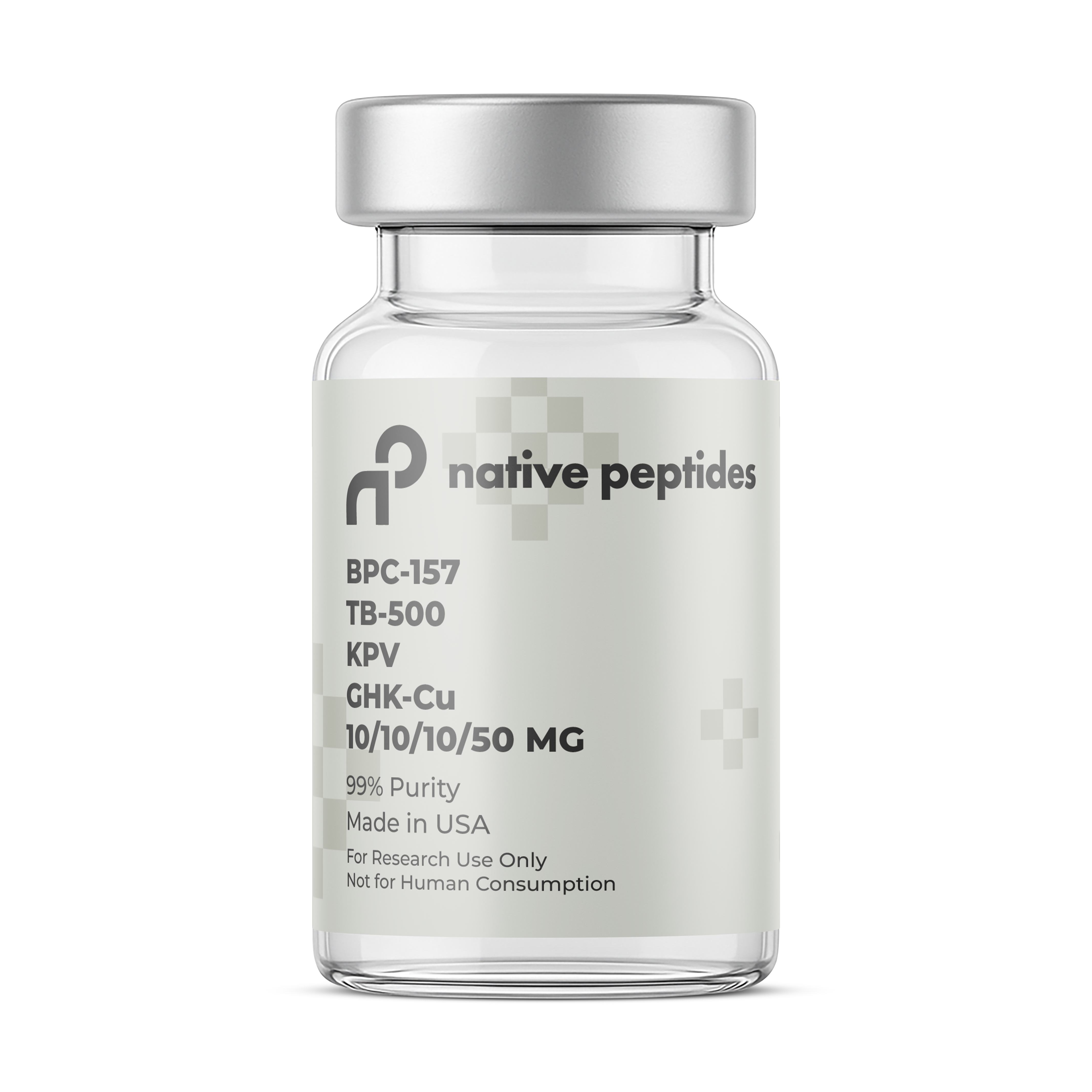
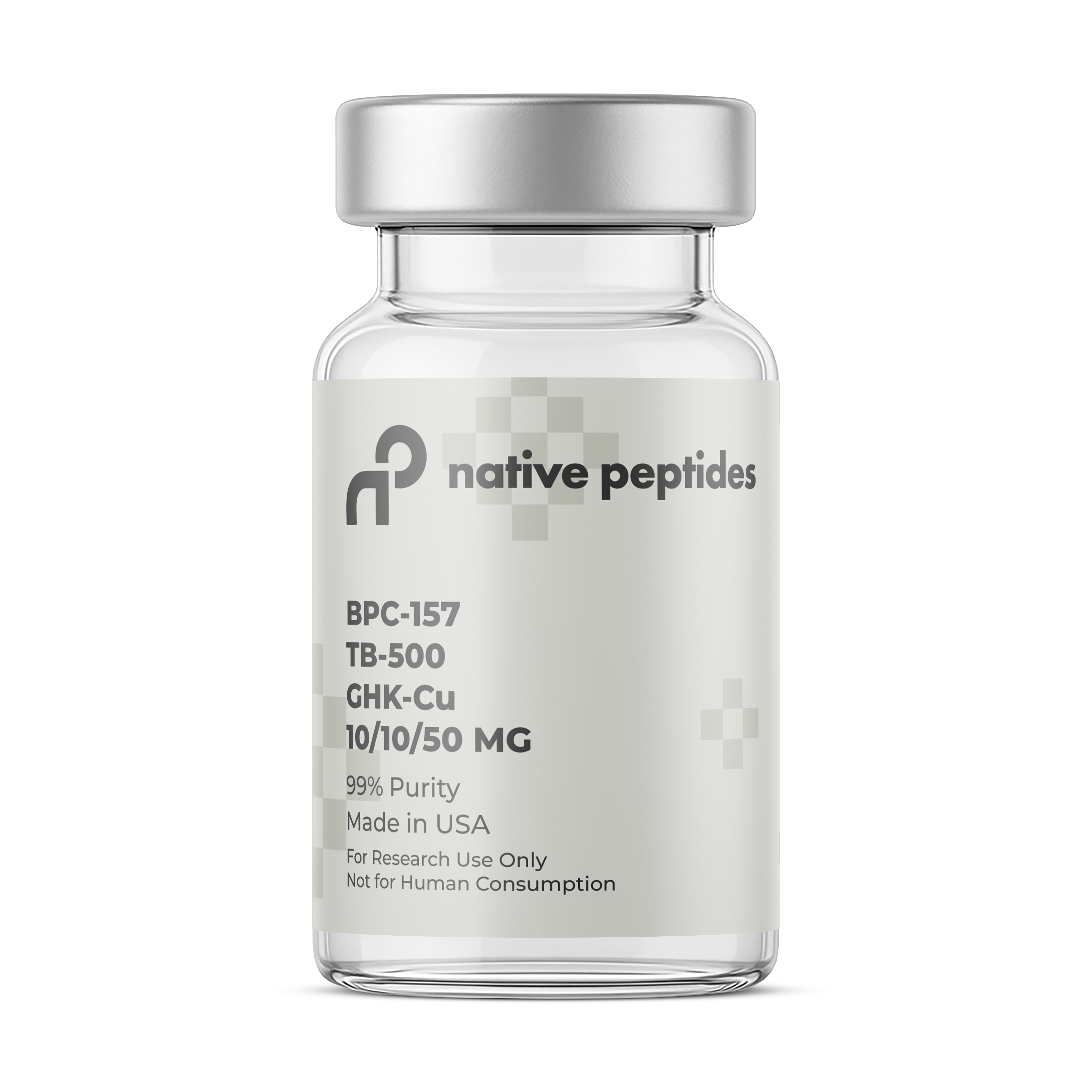
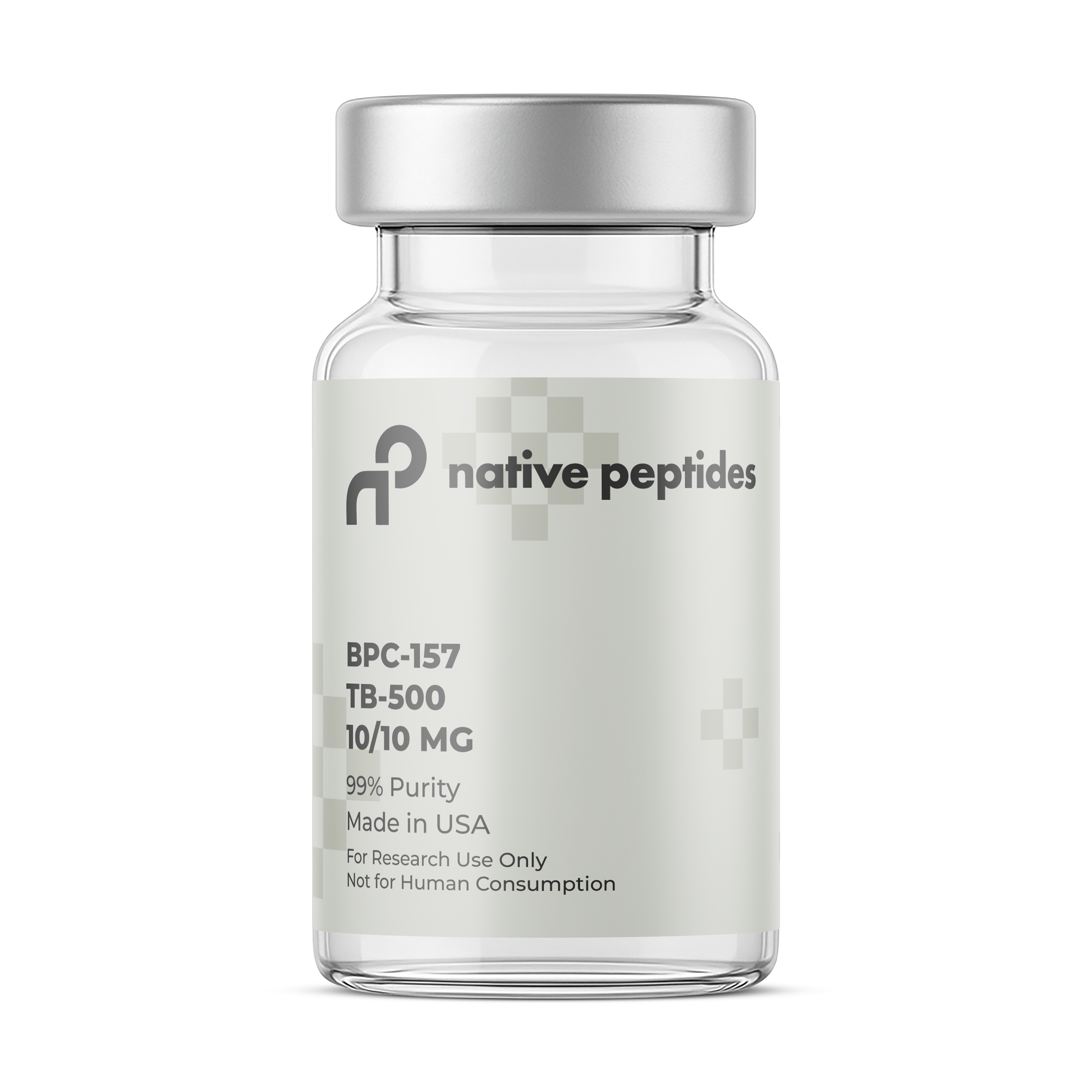
BPC-157 and TB-500 are synthetic peptides that have been investigated independently in preclinical and experimental research models focused on tissue integrity, cellular signaling, and repair-associated biological processes. BPC-157 is commonly described in the scientific literature as a pentadecapeptide evaluated in studies examining cellular survival, migration, and signaling responses in injured tissue environments. TB-500, a thymosin beta-4–related peptide, is studied in laboratory settings for its relationship to actin dynamics, cytoskeletal organization, and cell motility pathways relevant to tissue remodeling and inflammatory response models.
In combined research contexts, BPC-157 and TB-500 are frequently discussed as complementary tools for exploring multi-pathway biological responses rather than overlapping mechanisms. Experimental literature frames BPC-157 around signaling-level modulation of repair programs, while TB-500 is commonly associated with cytoskeletal and motility-related processes. This distinction supports their use in controlled laboratory studies designed to investigate coordinated cellular responses, pathway interaction, and systems-level signaling under non-clinical research conditions. All references herein are limited strictly to laboratory and experimental research use and do not imply therapeutic, diagnostic, or physiological application.
Storage & Handling
Molecular Information
Quality Assurance
Every batch undergoes comprehensive third-party testing
HPLC Analysis
High-Performance Liquid Chromatography confirms peptide purity and identity
Mass Spectrometry
Molecular weight verification through advanced mass spec analysis
Endotoxin Testing
LAL assay confirms endotoxin levels meet strict specifications
Related Research Peptides
Frequently purchased together