Product Overview
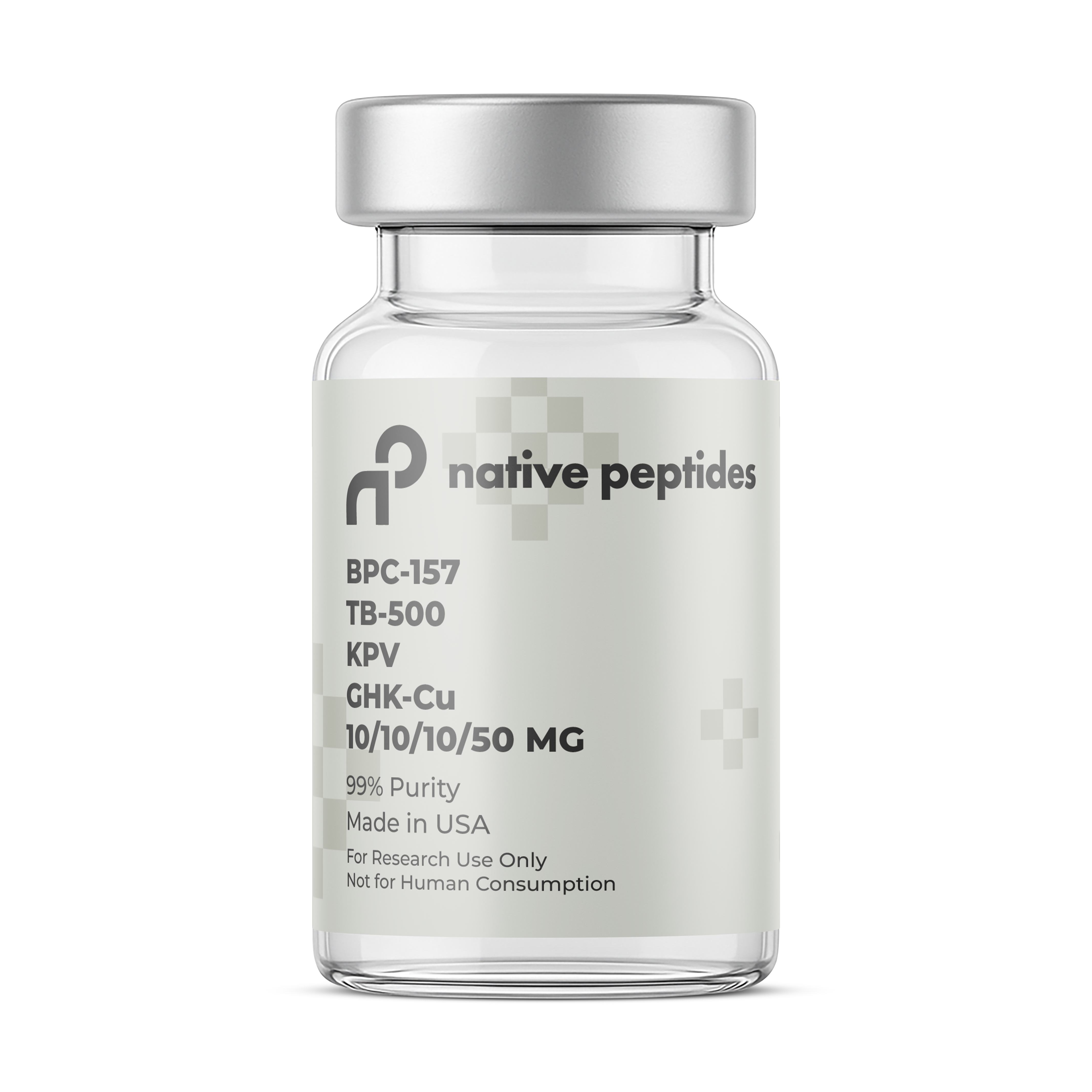
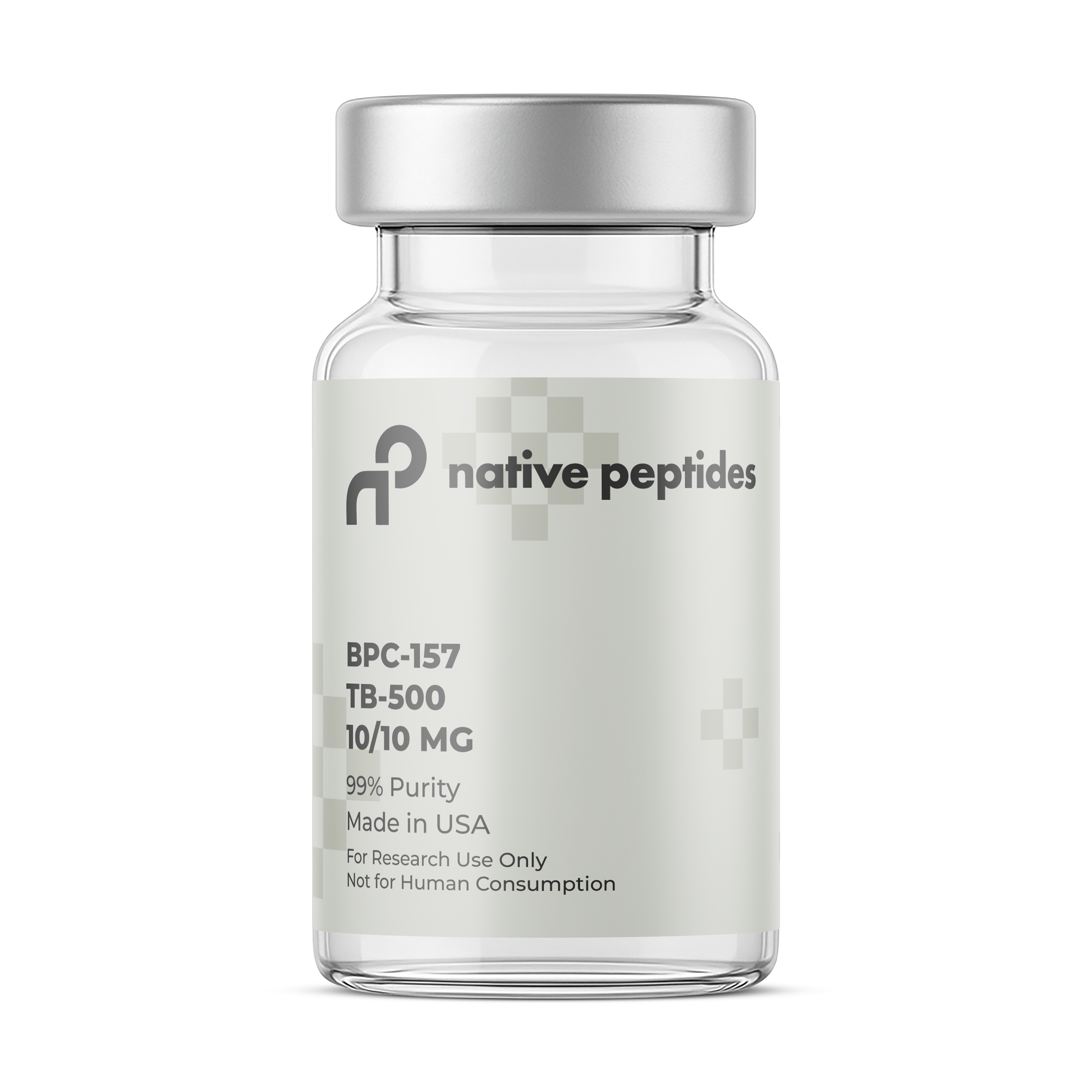
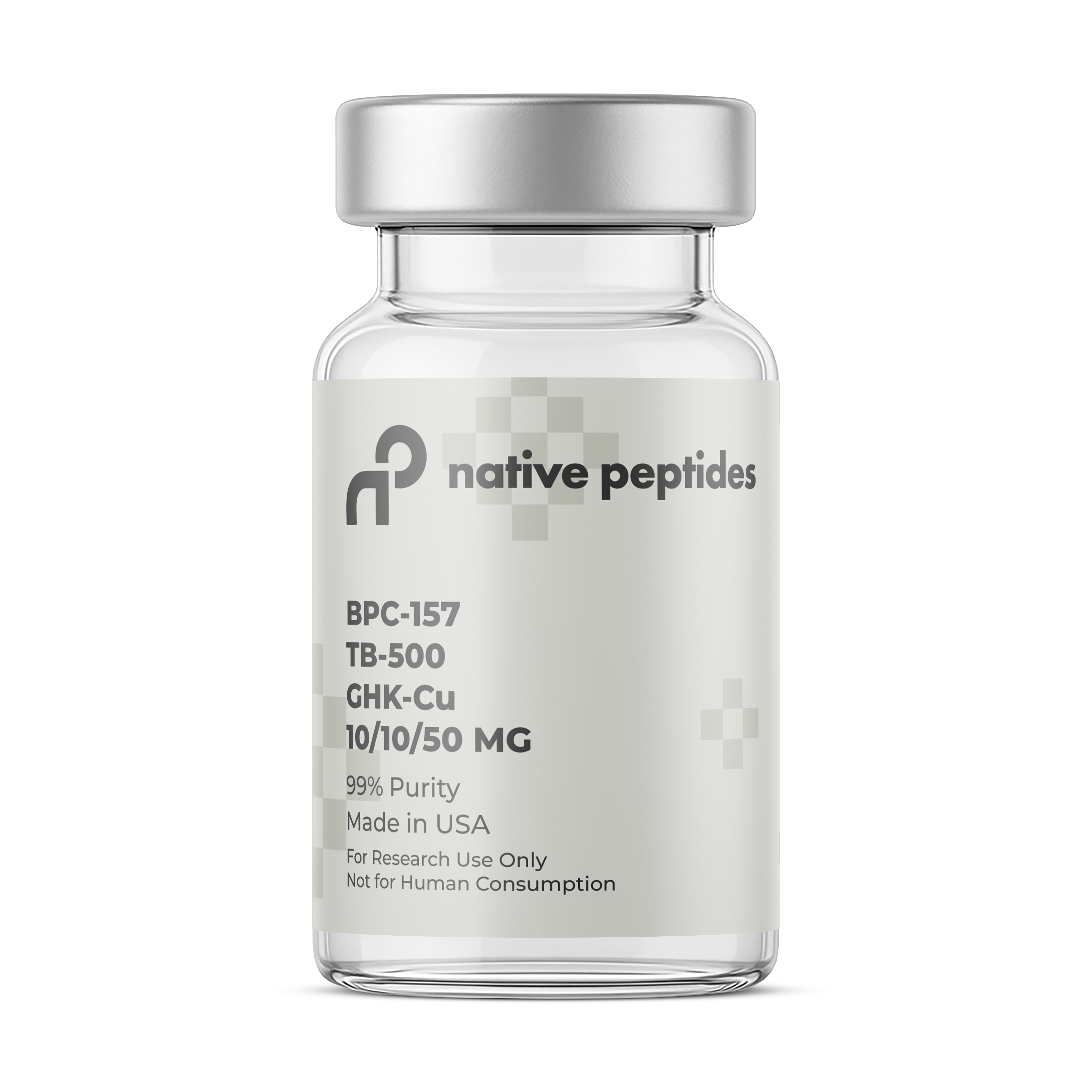
BPC-157 / TB-500 / GHK-Cu combines three research peptides, BPC-157, TB-500, and GHK-Cu, formulated for studies on cellular repair, angiogenesis, and extracellular matrix regulation. BPC-157 is a 15 amino acid gastric peptide fragment that modulates nitric oxide and growth factor pathways. TB-500, a segment of Thymosin Beta-4, influences actin polymerization and tissue remodeling. GHK-Cu is a copper(II)-complexed tripeptide that regulates metalloprotein activity and redox signaling. Together, these peptides are used in research examining molecular regeneration, cytoprotection, and peptide–metal interaction mechanisms.
The BPC-157 + TB500 (Thymosin Beta 4) + GHK-Cu Blend is a composite research formulation developed to facilitate investigation into the combined biological activity of three extensively studied bioactive peptides. Each component peptide has been independently evaluated in preclinical and experimental systems for its role in inflammation modulation, tissue repair processes, angiogenesis, cytoprotection, and regulation of gene expression. While BPC-157, TB500, and GHK-Cu share overlapping functional domains, their molecular targets and intracellular signaling pathways are distinct. The rationale for combining these peptides lies in the hypothesis that parallel modulation of nitric oxide signaling, cytoskeletal dynamics, extracellular matrix remodeling, and oxidative stress responses may produce additive or synergistic effects in controlled research models. This blend is supplied to support experimental designs focused on multi-pathway signaling analysis, comparative wound repair models, inflammatory pathway regulation, and systems-level investigation of coordinated tissue responses under laboratory conditions.
Storage & Handling
Molecular Information
Quality Assurance
Every batch undergoes comprehensive third-party testing
HPLC Analysis
High-Performance Liquid Chromatography confirms peptide purity and identity
Mass Spectrometry
Molecular weight verification through advanced mass spec analysis
Endotoxin Testing
LAL assay confirms endotoxin levels meet strict specifications
Related Research Peptides
Frequently purchased together